

在紀錄片中,聲音不僅僅是背景,它是影片的靈魂。透過巧妙的聲音應用,觀眾不僅能「看見」故事,還能深刻感受到其中的情感和氛圍。無論是旁白、音樂還是環境音效,每一種聲音都有其獨特的魅力,讓故事變得更鮮活動人。接下來,我們將一起探討紀錄片中常見的五種聲音元素:旁白、訪談聲音、環境音、素材音和音樂,看看它們如何為影片增添色彩。
旁白:故事的引路人
在紀錄片中,旁白猶如故事的引路人,為觀眾提供背景知識,解釋事件的來龍去脈。它通常以冷靜、客觀的語氣出現,幫助觀眾更好地理解影片內容。但旁白也可以充滿情感,增強影片的深度與情感張力。尤其是在探討環境問題的紀錄片中,旁白可能帶有憂慮的語氣,讓觀眾更能感受到環境議題的緊迫感。
旁白的作用在於讓觀眾快速抓住故事的關鍵,特別是在影片畫面無法完全表達背景時,旁白能有效補充敘事,讓整個影片的脈絡更清晰易懂。
訪談聲音:故事的心跳
訪談聲音是紀錄片中最能讓觀眾貼近人物內心的部分。透過人物的真實聲音,我們不僅能聽到他們的故事,還能感受到他們的情感與思想。這些聲音充滿了個性和真實感,能讓觀眾與人物產生強烈的共鳴,感受到他們的故事和內心世界。
訪談聲音能夠傳遞人物的情感,無論是喜悅、悲傷還是深思,這些情感都透過訪談聲音傳遞到觀眾心中,拉近了觀眾與人物之間的距離。
環境音:真實感的魔法
環境音效在紀錄片中扮演著重要角色,它讓觀眾仿佛置身於片中場景。這些聲音包括自然的風聲、鳥鳴,或是城市的喧囂、車流聲等,這些細節讓觀眾能感受到影片中的真實世界。例如,當影片描述的是城市生活,背景中的車輛聲或行人腳步聲讓觀眾彷彿置身於那個場景之中,增強了影片的真實感。
此外,環境音也可以是來自人物的當下的真實互動,這類即時的聲音能真實反映人物的生活細節和情感。例如,一場家族聚會中的笑聲、對話聲都能讓影片更加生動,能讓觀眾更好地理解人物的日常生活與情感,為影片增添真實感。
環境音常常是讓影片變得鮮活的重要元素,它不僅豐富了影片的視覺內容,還帶來了聲音的深度。
素材音:回憶與真實的交織
素材音是來自歷史資料、舊影片或錄音的聲音,它們不僅能讓觀眾重回某個歷史時刻,還能增添影片的真實感與歷史厚重感。例如,在描述歷史事件的紀錄片中,加入當時的新聞片段或人物回憶的錄音,不僅能重現歷史場景,還能強化觀眾對那段歷史的情感認同。
音樂:情感的催化劑
音樂是紀錄片中情感的推動力,它能夠加強影片的氛圍,引導觀眾進入影片中的情感世界。無論是柔和的背景音樂,還是充滿力量的旋律,音樂能夠強化影片中的情感層次,並與畫面緊密結合,讓觀眾感同身受。
當影片進入重要情節時,音樂能夠營造出對應的情感氛圍,無論是緊張、悲傷還是愉快,音樂都能夠精準地引導觀眾的情感走向。
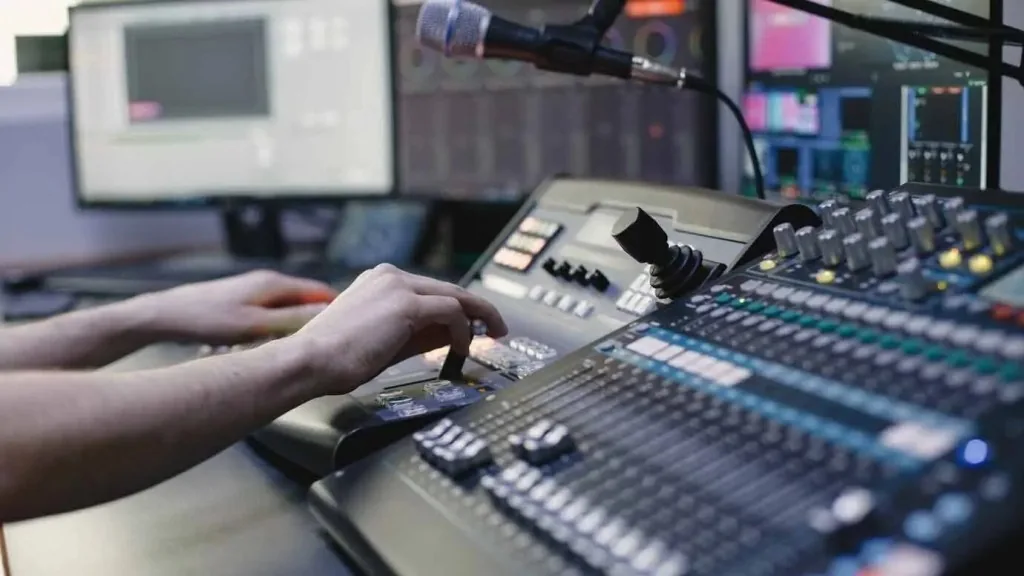
聲音的綜合力量:讓影片鮮活動人
這五種聲音元素——旁白、訪談聲音、環境音、素材音和音樂——共同構成了紀錄片的聲音畫布。每一種聲音都有其獨特的作用,當它們相互交織時,能夠為影片增添無限的生命力。旁白幫助我們快速理解故事的脈絡;訪談聲音則讓我們貼近人物的內心;環境音使觀眾彷彿置身於場景中;素材音則讓歷史回聲與現實交織;而音樂更是情感的催化劑,帶領我們體驗影片中的每一個情感高峰。
透過這些聲音,紀錄片不再只是視覺的藝術,更是一場聲音的旅程。每一段聲音都在講述故事的另一面,讓觀眾不僅「看見」,更能「聽見」影片的靈魂。
In a documentary, sound is never just background — it's the soul of the film. Used skillfully, it lets viewers not only "see" a story but feel the emotion and atmosphere within it. Narration, music, ambient sound — each carries its own distinct appeal, making a story more vivid and alive. In this piece, we'll look at the five kinds of sound documentaries rely on — narration, interview audio, ambient sound, archival audio, and music — and how each adds color to a film.
Narration: The Story's Guide
In a documentary, narration acts as the story's guide, giving viewers the background they need and explaining how events unfold. It usually speaks in a calm, objective tone that helps the audience follow the film — but it can also carry real emotion, deepening a film's impact. In a documentary about environmental issues, for instance, a note of concern in the narration can make the urgency of the subject far more palpable.
Narration helps viewers grasp the heart of a story quickly. When the footage alone can't convey the full context, it fills in the gaps, keeping the film's thread clear and easy to follow.
Interview Audio: The Story's Heartbeat
Interview audio is what brings viewers closest to a subject's inner world. Hearing people in their own voices, we don't just learn their stories — we sense their feelings and their thinking. These voices are full of character and authenticity, forging a strong connection between audience and subject.
Interview audio carries a person's emotion — joy, sorrow, or quiet reflection — straight to the viewer, closing the distance between audience and subject.
Ambient Sound: The Magic of Authenticity
Ambient sound plays a vital role in documentary, placing viewers right inside the scene. Wind and birdsong, or the noise of a city and its traffic — these details let audiences feel the real world of the film. When a film portrays city life, the sound of passing cars or footsteps on the pavement can make viewers feel they're standing in the scene, heightening its sense of reality.
Ambient sound can also come from a subject's real interactions in the moment — live audio that authentically reflects the details and emotions of their lives. The laughter and conversation at a family gathering, for example, bring a film to life, helping viewers understand a subject's everyday world and adding a layer of truth.
Ambient sound is often what makes a film feel alive, enriching not just its visual content but the depth of its sound.
Archival Audio: Where Memory Meets Reality
Archival audio comes from historical records, old footage, or vintage recordings. It can carry viewers back to a moment in history while lending the film authenticity and a sense of weight. In a documentary about historical events, adding period news clips or recorded recollections doesn't just recreate the scene — it strengthens the audience's emotional connection to that history.
Music: The Catalyst of Emotion
Music is the emotional engine of a documentary. It reinforces the film's atmosphere and draws viewers into its emotional world. Whether a gentle underscore or a powerful melody, music deepens a film's emotional layers and works hand in hand with the visuals so the audience truly feels the moment.
At a film's pivotal moments, music sets the matching emotional tone — tension, sorrow, or joy — guiding the audience's feelings with precision.
The Combined Power of Sound: Bringing a Film to Life
These five elements — narration, interview audio, ambient sound, archival audio, and music — together form a documentary's sonic canvas. Each has its own role, and when they interweave, they give a film boundless vitality. Narration helps us follow the story; interview audio brings us close to the subject; ambient sound places us in the scene; archival audio weaves the echoes of history into the present; and music, the catalyst of emotion, carries us through every emotional peak.
Through these sounds, a documentary becomes more than a visual art — it becomes a journey in sound. Every passage tells another side of the story, so that audiences don't just "see" the film's soul but "hear" it.