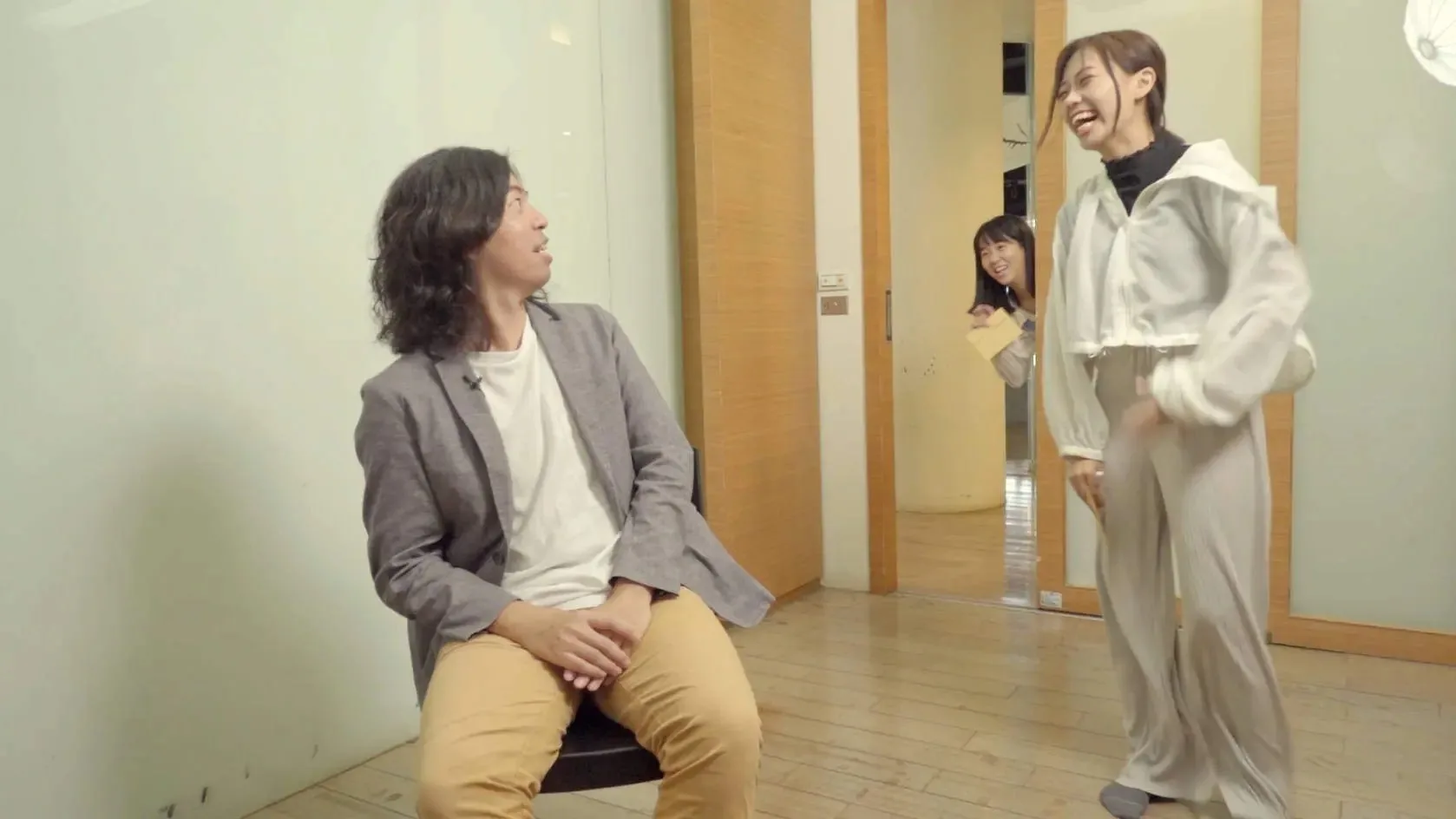
「存在的意義-你,最想在通識課裡獲得什麼?」,是我們為IGER教育部提升大學通識教育計畫,量身打造的一支形象影片。
在這支影片製作裡,我們希望能夠藉由這支影片,引導學生認識通識課的重要性,強調自主學習與探索的價值,並扭轉通識課常被視為營養學分的刻板印象。
在影片中加入問卷,引導觀眾思考
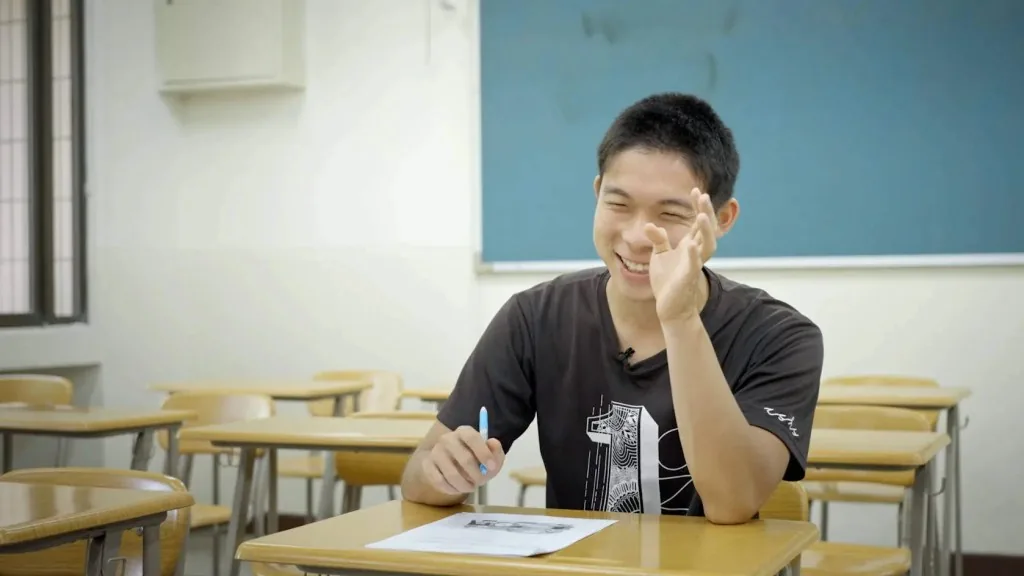
面對這次的影片企劃,我們希望用自然的敘事方式,引發觀眾們對學習與通識反思,進而激發他們對自主與終身學習的興趣。在這個前提下,決定用「校園隨機問卷」的形式跳脫常見的訪問影片設計,並藉由問卷填寫,以及填寫後的訪問,來實際在校園觀測學生的反應,以真實呈現學生們對通識的看法與心得。
把問卷作為影片的核心設計時,我們延伸出三個主要策略:
問卷引導 :
透過問卷題目的設計,引導受訪者和觀眾進行自我提問,避免生硬的說明。
真實反應 :
藉由填寫問卷的場景,捕捉受訪者填寫問卷和回答問題的真實反應,提升影片的真實性,加強觀眾的情感共鳴。
開放結局 :
不直接給出答案,而是透過開放的提問,引導觀眾自主探索通識課的價值。
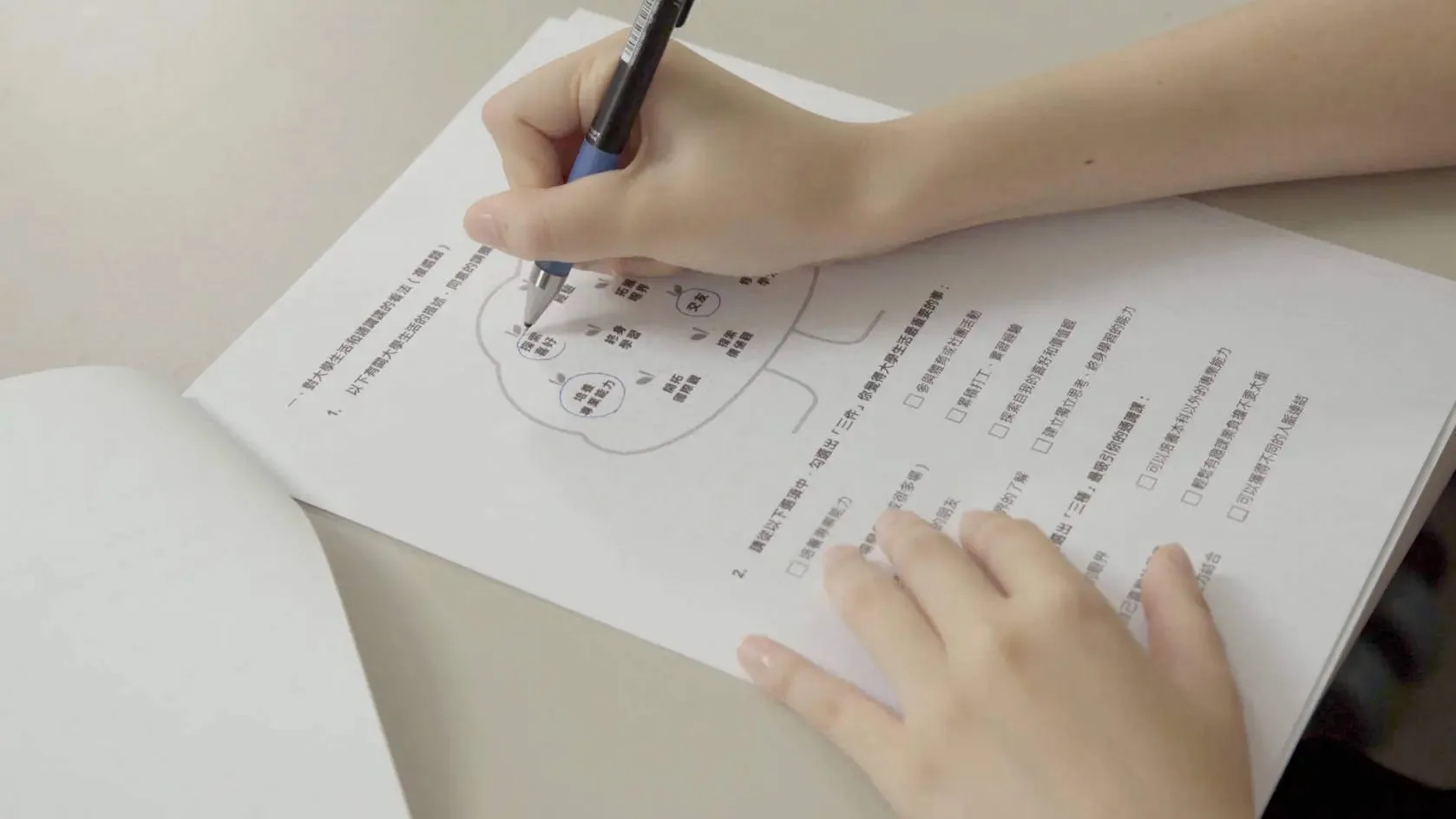
簡單的問卷不簡單!拍攝用的問卷藏有哪些巧思?
題目設計上,我們將問卷分為三個段落,精心設計不同的題型,以引導受訪者自然回應並捕捉真實反應。
Part 01 透過簡單選擇題,讓受訪者快速回答,展現對大學生活與通識課的直觀看法。
Part 02 利用排序題,引導受訪者反思選課標準,揭示對通識課的刻板印象與真實期望。
Part 03 的開放式問答,讓受訪者深入思考對通識課的選擇和期待。
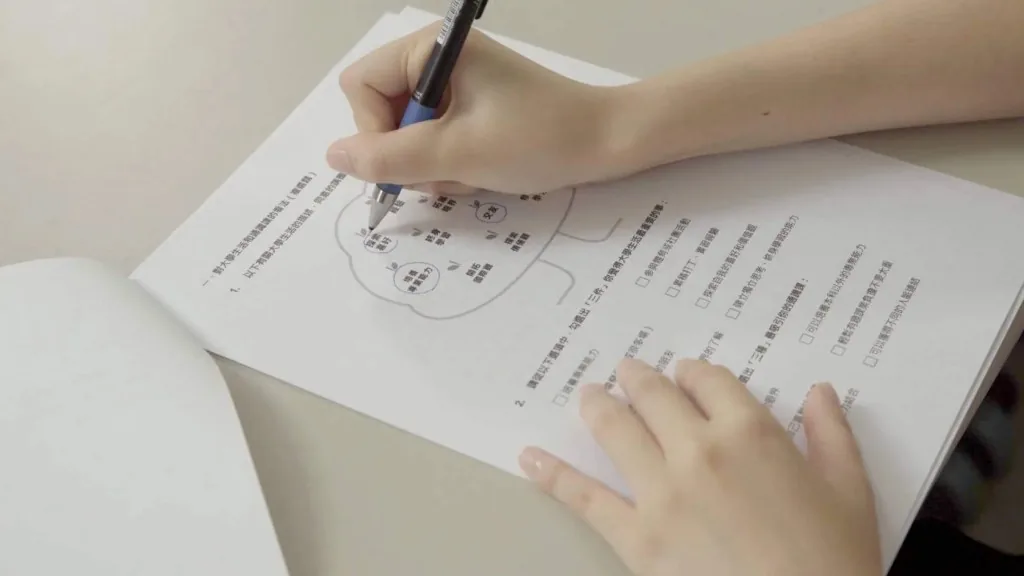
而版面設計上,考量到拍攝需求,字體大小與排版也都經過精心調整,確保學生填寫問卷時的手部動作及問卷內容能清晰呈現在鏡頭中,強化影片的情感共鳴。
在正式拍攝前,我們也進行了試寫和測試,以確保問卷簡單、易懂且便於作答,確保拍攝效果的最佳呈現。
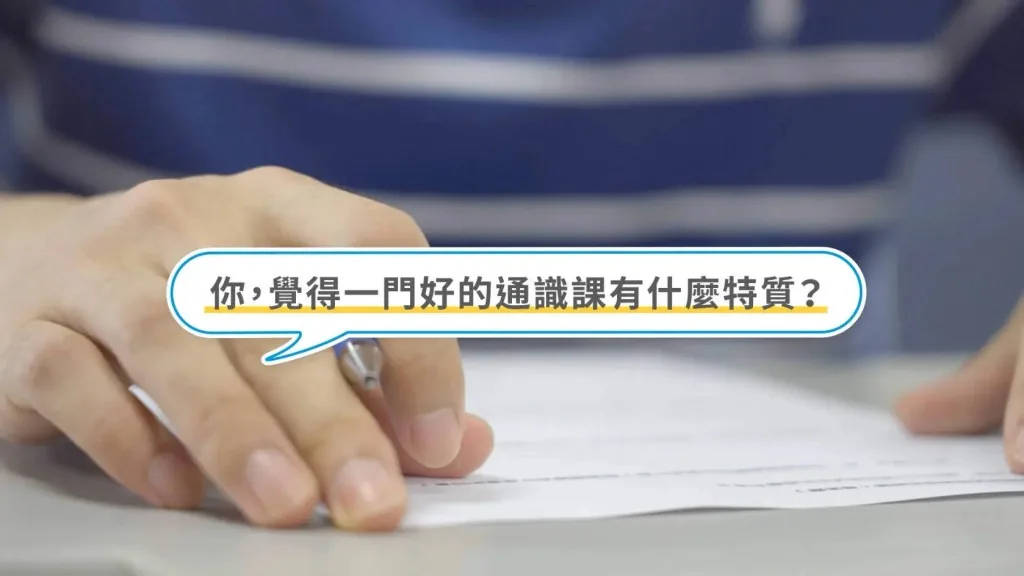
透過剪輯和字卡,邀請觀眾一起作答
在影片的後期製作中,剪輯與字卡設計也發揮了關鍵作用,幫助觀眾不僅是觀看,更是參與其中。
我們巧妙利用剪輯,在關鍵問題出現時放緩鏡頭,引導觀眾和受訪者一起思考,營造出沉浸式的體驗。同時,影片中的字卡設計也使用簡潔有力的語句,直接向觀眾提問,例如「你,覺得一門好的通識課有什麼特質?」
這些設計讓觀眾感受到影片在與他們對話,激發他們自發回答問題,實現影片的互動性與參與感。
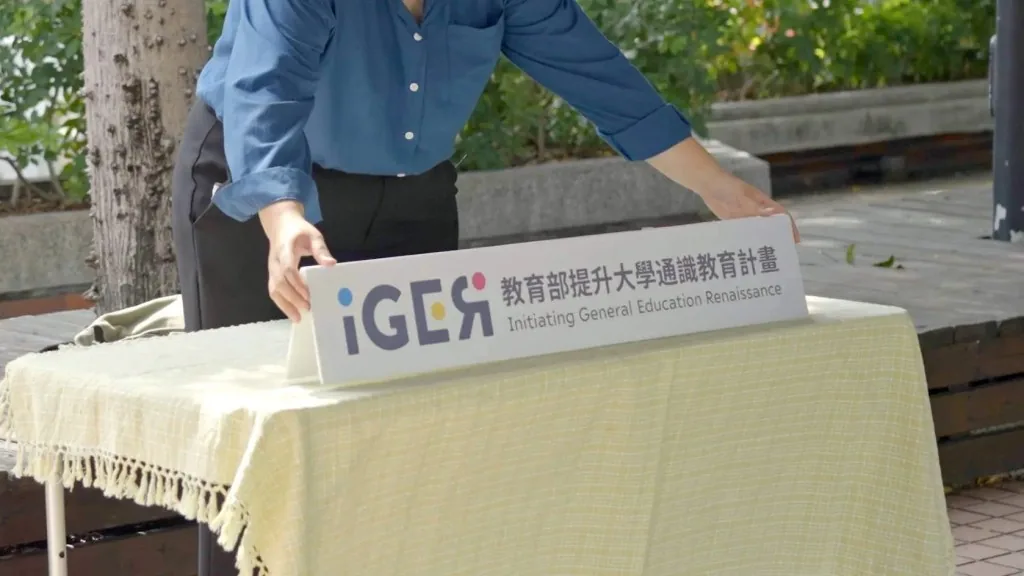
這次的通識教育形象影片專案,透過引導性的問題設計、真實的受訪反應以及開放式的結局,使影片不僅僅是內容的呈現,更成為讓觀眾一起思考的平台。
也正是因為這些由問卷引發的真誠互動,才讓這支影片成功打破人們對通識課的刻板印象,為通識教育注入了全新的活力與思考空間。
"存在的意義-你,最想在通識課裡獲得什麼?" (The Meaning of Being — What Do You Most Want from General Education?) is a brand film we created for IGER, the Ministry of Education's initiative to strengthen general education at universities.
With this film, we set out to help students see why general education matters — championing the value of self-directed learning and exploration, and pushing back on the stereotype that gen-ed courses are just easy credits.
Building a questionnaire into the film to get viewers thinking
For this project, we wanted a natural, narrative approach that would prompt viewers to reflect on learning and general education — and spark real interest in self-directed, lifelong learning. So instead of a conventional interview format, we ran a random on-campus survey: students filled out a questionnaire, then sat down for a short interview about their answers. This let us observe genuine reactions right on campus and present students' honest views on general education.
With the questionnaire at the heart of the film, we built our approach around three strategies:
Guided reflection:
The questions were written to prompt interviewees — and viewers — to ask themselves the same things, with no need for stiff exposition.
Authentic reactions:
Filming students as they filled out the questionnaire and talked through their answers captured genuine, unguarded moments — grounding the film in reality and helping viewers connect emotionally.
An open ending:
Rather than handing viewers an answer, the film closes with open questions, inviting them to discover the value of general education for themselves.
There's more to a "simple" questionnaire than meets the eye. What went into designing ours for the shoot?
We structured the questionnaire in three parts, each using a different question format designed to draw out natural responses and capture authentic reactions.
Part 01 opens with quick multiple-choice questions, letting interviewees answer instinctively and reveal their gut feelings about university life and general education.
Part 02 uses ranking questions that prompt interviewees to reflect on how they choose courses — surfacing both the stereotypes and the real expectations they hold about gen-ed.
Part 03 closes with open-ended questions that invite interviewees to think more deeply about what they choose, and what they truly hope to gain, from general education.
The layout was designed with the camera in mind: type sizes and formatting were adjusted so that both the questions and each student's handwriting would read clearly on screen, reinforcing the film's emotional pull.
Before the shoot, we ran trial fill-outs to make sure the questionnaire was simple, clear, and easy to answer — so nothing would get in the way on camera.
Editing and title cards that invite viewers to answer along
In post-production, editing and title-card design played a key role in turning viewers from spectators into participants.
We slowed the pace at key questions, giving viewers time to think alongside the interviewees and creating an immersive experience. The title cards use short, direct lines that speak straight to the audience — like "You — what do you think makes a good general education course?"
These touches make viewers feel the film is in conversation with them, prompting them to answer the questions for themselves — and that's where its sense of interaction and participation comes from.
By combining guided question design, authentic on-camera reactions, and an open ending, this general education brand film became more than a presentation of ideas — it became a space for viewers to think along.
And it was precisely those genuine, questionnaire-sparked exchanges that let the film break through the stereotypes around general education, bringing fresh energy — and room to think — to the subject.