
轉檔:後期製作的第一步
在影像製作的過程中,轉檔是後期製作的第一個步驟,主要是為了讓後續的後製過程變得更加順暢和高效。今天,我們就來聊聊在轉檔過程中,我們為什麼要在拍檔上壓上拍攝資訊、進行基本的套色,以及將拍檔轉成小檔,這些操作背後的目的與意義。
轉小檔:提升效率,減少負擔
轉檔過程中,我們通常會將原始素材轉換成較小的檔案,這些小檔的解析度雖然比原始素材低,但仍然保留了所有關鍵的畫面和資訊。
這麼做的主要原因在於工作效率。原始素材檔案通常非常龐大,直接處理這些檔案對剪輯師來說不僅耗時,還會讓系統運行變慢。透過轉換成小檔,剪輯師可以更快速地預覽和剪輯素材,節省大量的時間和資源。同時,小檔也方便在團隊內部或與客戶之間進行更快速的傳輸和分享,讓協作更加高效。這樣的流程設計,無疑是為了讓整個製作過程更加流暢和有序。
壓上拍攝資訊:讓後期溝通更有效率
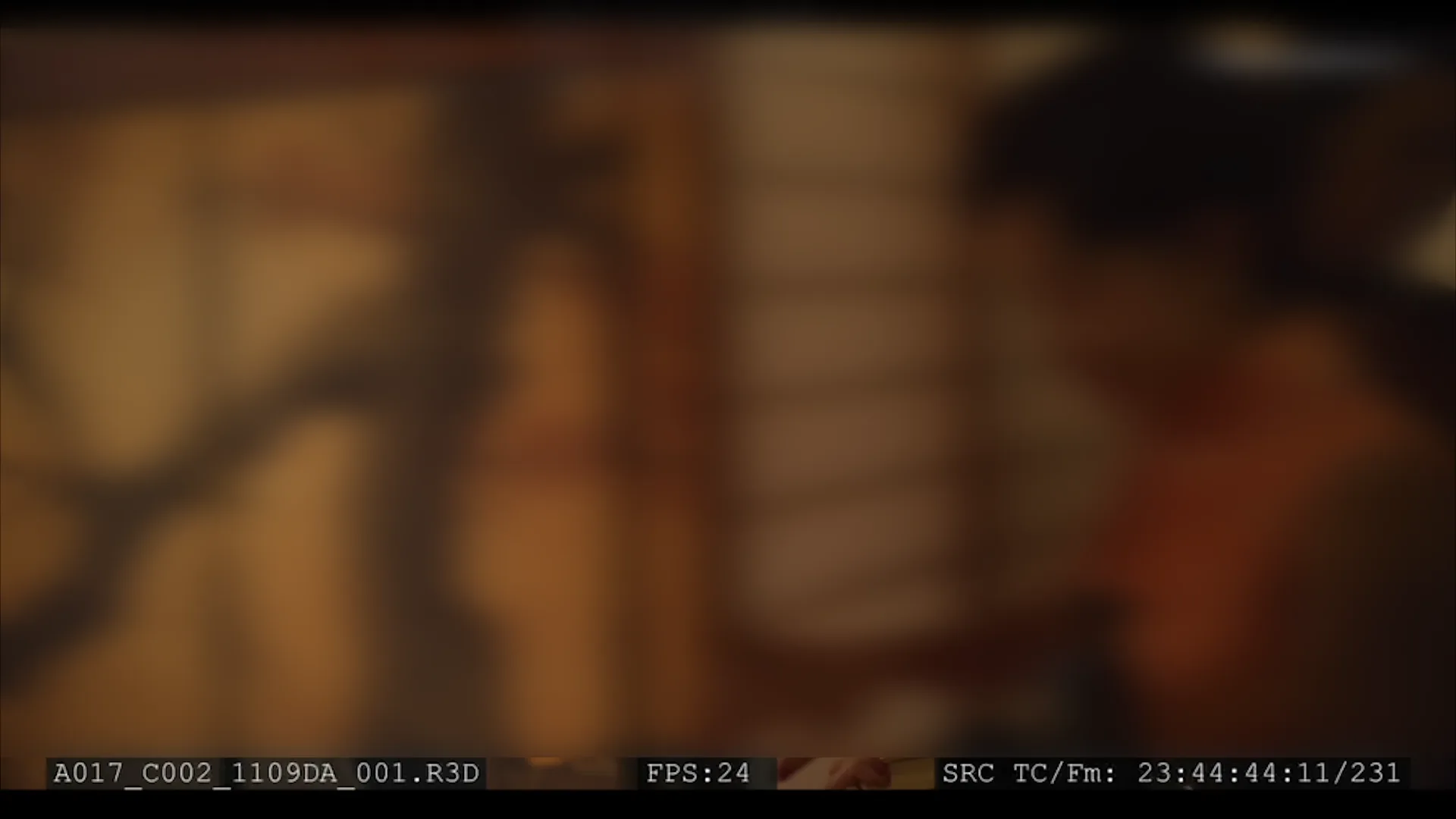
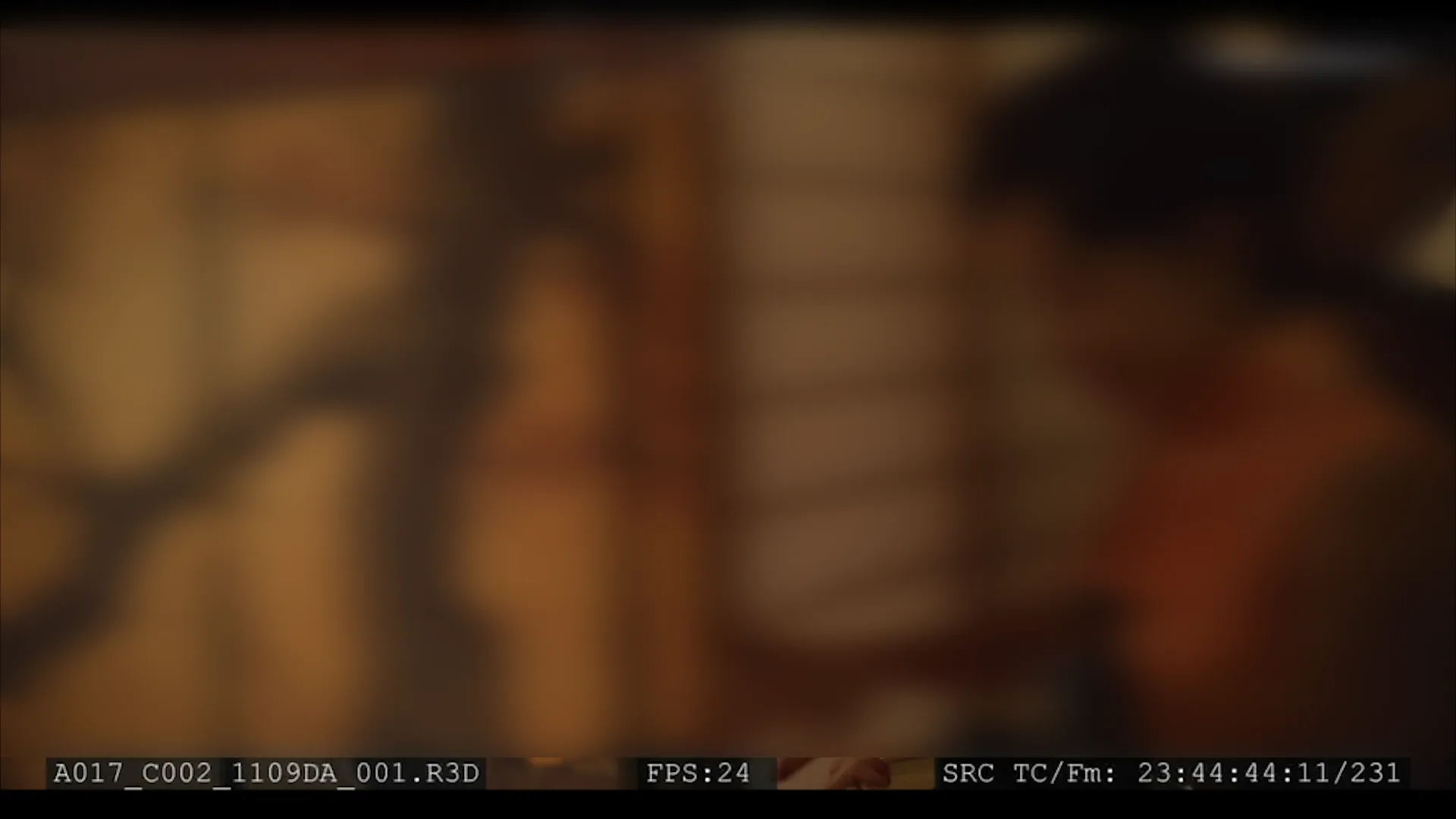
在轉檔過程中,我們會視狀況在每一段影像壓上拍攝相關資訊,如原始檔名、影格率、時間碼、影格數等。這些看似技術性的資訊,對剪輯師和後期製作團隊的每個職位,在針對特定畫面的溝通上能減少許多誤差。
像是剪輯時能快速與場記核對,確定他們使用的檔案在現場拍攝的情況。這對於多機拍攝或長時間拍攝的專案特別重要,因為這樣能避免使用錯誤的素材、誤判素材的狀況而導致時間的浪費與溝通的誤差。
套色:讓畫面還原回現場顏色
通常在轉檔時,我們也會為素材進行基本的套色處理。這一步驟的目的是為了在剪輯過程中提供一個更接近最終效果的畫面,讓剪輯師在剪輯時能夠更直覺地感受到畫面的整體氛圍。
雖然這些套色只是初步處理,後續會有更精細的調色過程,但這一步的套色可以幫助剪輯師在編輯時更準確地把握影片的色調和氛圍,進而做出更符合作品風格的剪輯選擇。
轉檔看似是一個技術性操作,但它背後包含了許多細緻的考量,這些考量都是為了讓剪輯和後期製作更順暢、更高效。無論是拍攝資訊的壓制、基本套色的處理,還是將拍檔轉成小檔,這些操作都是為了確保最終成品的質量和製作過程的順利進行。
希望這次的分享能讓大家更了解轉檔過程中的關鍵步驟,以及它們在實際操作中的重要性。如果你對我們的工作有興趣或有任何問題,隨時歡迎聯繫我們!我們期待與你分享更多我們的專業經驗和心得。
Transcoding: The First Step in Post-Production
In video production, transcoding is the first step of post-production, and its main purpose is to make everything that follows run more smoothly and efficiently. Today, let's talk about why we burn shot information onto the footage, apply a basic grade, and transcode the footage into smaller files—and the thinking behind each of these steps.
Transcoding to Proxies: Faster Work, Lighter Load
During transcoding, we typically convert the original footage into smaller files. These proxies are lower in resolution than the source material, but they still hold every key frame and all the information you need.
The main reason is efficiency. Original footage files are usually enormous, and working with them directly is not only slow for editors but also drags the whole system down. With proxies, editors can preview and cut far faster, saving significant time and resources. Smaller files are also easier to transfer and share within the team or with clients, making collaboration more efficient. It's a workflow built, above all, to keep the entire production moving smoothly and in order.
Burning In Shot Metadata: Clearer Communication in Post
As we transcode, we burn relevant shot information onto each clip where it helps—original file name, frame rate, timecode, frame count, and more. This seemingly technical data lets every role on the editing and post team talk about specific shots with far fewer mix-ups.
Editors can quickly cross-check with the script supervisor, for instance, to confirm exactly how a given file was captured on set. That matters most on multi-camera or long-form shoots, where it prevents using the wrong material or misreading a take—and the wasted time and miscommunication that follow.
Grading: Restoring the Colors as They Looked on Set
When we transcode, we usually apply a basic grade to the footage as well. The point is to give editors an image closer to the final look, so they can sense the overall mood of a shot more intuitively while they work.
This is only a first pass—finer color work comes later—but even this early grade helps editors read the film's tone and atmosphere more accurately, and make cutting choices that better fit the piece's style.
Transcoding may look like a purely technical task, but there's a lot of careful thinking behind it, all aimed at making editing and post-production smoother and more efficient. Burning in shot metadata, applying a base grade, transcoding to proxies—each step exists to protect the quality of the final piece and keep production on track.
We hope this gives you a clearer sense of the key steps in transcoding and why they matter in practice. If you're interested in our work or have any questions, reach out anytime—we'd love to share more of what we've learned.